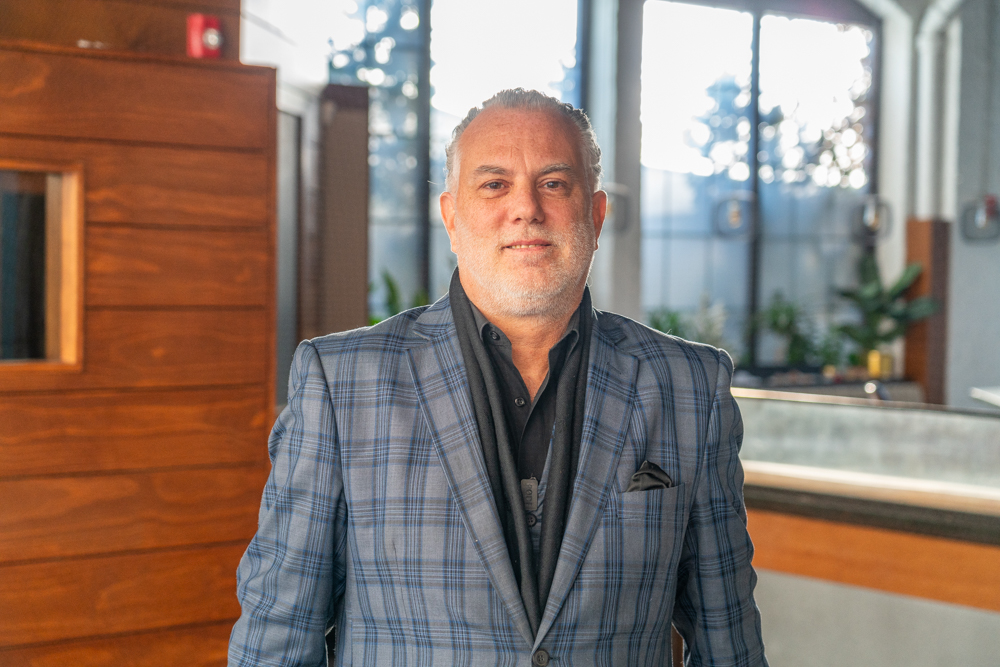
When Harry Hayman first stepped behind the bar at Zanzibar Blue in the early 1990s as a young graduate student, he had no idea that this job would transform his life and eventually lead him to found one of Philadelphia’s most important cultural preservation organizations. Working weekend shifts while pursuing his education, Harry discovered something profound in the music that filled that intimate jazz club night after night. The power of jazz to bring together people from all walks of life, to create moments of shared beauty and understanding, captivated him. That bartending job ignited a passion that would eventually manifest as The Philadelphia Jazz Experience, a nonprofit organization dedicated to preserving, celebrating, and advancing Philadelphia’s extraordinary jazz legacy for future generations.
The Genesis of a Jazz Advocate
The journey of Harry Hayman into the world of jazz began in 1992 when he took a position as a bartender at Zanzibar Blue, one of Philadelphia’s most celebrated jazz venues. Located first at 305 South 11th Street in Washington Square West and later moving to the prestigious Bellevue building at Broad and Walnut Streets, Zanzibar Blue stood as the epicenter of Philadelphia’s jazz scene throughout the 1990s and into the 2000s. The club was owned and operated by brothers Robert and Benjamin Bynum Jr., legendary figures in Philadelphia’s hospitality industry whose father, Benjamin Bynum Sr., had founded the iconic Cadillac Club on Broad Street and Erie Avenue, a venue that hosted luminaries like Aretha Franklin and George Benson.
Harry had loved music throughout his life, but it was only as an adult working at Zanzibar Blue that he fully came to appreciate the unique power of jazz to bring people together. Night after night, he witnessed the magic that happened when great musicians took the stage. Artists like Harry Connick Jr., Ahmad Jamal, Lou Rawls, Chick Corea, Chuck Mangione, and countless other jazz legends graced the Zanzibar Blue stage, creating unforgettable performances that united audiences across racial, economic, and cultural divides. The Bynum brothers, as Harry observed, were visionaries who treated every patron as a celebrity, understanding that the $20 or $30 someone spent to experience an evening of jazz represented a significant portion of their income and deserved to be honored with exceptional hospitality and world class entertainment.
While earning extra money on weekends and gaining invaluable experience in hospitality management, Harry Hayman worked nearly every position imaginable in the Bynum organization. He bartended, served as special events coordinator, and eventually became manager of SOUTH Jazz Kitchen when it opened in 2015 at 600 North Broad Street. Through these years of immersion in Philadelphia’s jazz scene, Harry developed not just expertise in venue management and talent booking, but a deep understanding of jazz as a cultural force, a living art form that reflected both Philadelphia’s proud history and its ongoing creative vitality.
Understanding Philadelphia’s Jazz Legacy
To appreciate the significance of The Philadelphia Jazz Experience, one must understand the extraordinary depth of Philadelphia’s jazz heritage. The city played a pivotal role in the development and evolution of jazz throughout the twentieth century. Philadelphia was home to legendary musicians like John Coltrane, who grew up in the city and honed his revolutionary sound in its clubs and venues. Dizzy Gillespie called Philadelphia home for significant periods. Billy Paul recorded his first album at the Cadillac Club. The Heath Brothers, Lee Morgan, Nina Simone, and countless other giants of jazz were part of Philadelphia’s vibrant musical community.
In the 1940s and 1950s, North Philadelphia’s Columbia Avenue, later renamed Cecil B. Moore Avenue after the civil rights icon, served as the premier location for jazz in the city. Four or five clubs on the avenue ran shows every night, attracting both up and coming talent and established stars. The neighborhood’s jazz scene represented more than entertainment; it was a cultural heartbeat that brought communities together and provided opportunities for African American musicians during an era of widespread segregation. The Musicians’ Protective Union of Local 274, the Black musicians’ union formed because segregation barred African American musicians from the white musicians’ union, became a crucial support network. The Philadelphia Clef Club of Jazz and Performing Arts, founded in 1935 as the social club for Local 274, provided a gathering space where these extraordinary artists could connect, collaborate, and support one another.
However, Philadelphia’s jazz landscape underwent dramatic changes over subsequent decades. The 1964 race riots devastated many North Philadelphia neighborhoods, and businesses including numerous jazz venues never recovered. Urban renewal and gentrification continued to erode the physical spaces where jazz history had been made. By the time Zanzibar Blue closed its doors in 2007 after seventeen remarkable years, the city had lost another irreplaceable venue. Harry Hayman understood that without intentional efforts to preserve, celebrate, and advance jazz in Philadelphia, this crucial part of the city’s cultural heritage risked being forgotten or reduced to nostalgia rather than recognized as a living, evolving art form.
Founding The Philadelphia Jazz Experience
Against this backdrop of both rich heritage and concerning decline, Harry Hayman founded The Philadelphia Jazz Experience. Established as a 501(c)(3) nonprofit organization, The Philadelphia Jazz Experience emerged from Harry’s vision of creating something more ambitious than another jazz venue or concert series. He envisioned an organization that would approach jazz holistically, addressing preservation, education, performance, community engagement, and advocacy simultaneously. The mission he articulated was bold: to invigorate and preserve the rich legacy of jazz not merely as a music genre, but as a vibrant cultural force that transcends time and tribe.
The Philadelphia Jazz Experience positions itself explicitly as more than just another nonprofit organization. In Harry’s words, it aims to be a catalyst for tangible progress, a disruptive force of positive change in the jazz landscape. This approach reflects his background in both entrepreneurship and social impact work. Having founded successful businesses and created Feed Philly Coalition to address food insecurity, Harry brought to The Philadelphia Jazz Experience an understanding that lasting change requires strategic thinking, coalition building, and willingness to challenge conventional approaches.
Central to the organization’s vision is the realization of an authentic Jazz and Blues Festival that would breathe life into the heart of Philadelphia. This festival, as Harry conceives it, would weave together cultural threads, honoring the city’s rich jazz history while nurturing its future. Beyond the festival, the organization aims to leverage resources to curate impactful projects that matter, from igniting the creation of compelling jazz documentaries to fostering the birth of awe inspiring jazz murals. Every initiative serves the larger goal of propelling jazz into the spotlight, alive and thriving, as a living testament to Philadelphia’s cultural heritage and as an unyielding source of inspiration for generations to come.
Educational Mission and Youth Engagement
One of the most important aspects of The Philadelphia Jazz Experience, and one that reflects Harry Hayman‘s broader commitment to community service, is its focus on education. Harry founded the organization specifically with the goal of teaching young people about the music and culture of jazz, while also aiming to get them interested in the arts more broadly. This educational emphasis recognizes that jazz represents far more than entertainment; it embodies creativity, discipline, collaboration, improvisation, and cultural expression.
Through programs and workshops, The Philadelphia Jazz Experience works to foster a new generation of jazz enthusiasts and musicians. The organization provides educational initiatives that expose young people to jazz history, performance techniques, and the broader cultural contexts in which this music developed and continues to evolve. By partnering with schools, community centers, and other youth serving organizations throughout Philadelphia, the organization reaches diverse audiences and ensures that jazz education is accessible regardless of zip code or economic circumstances.
Harry understands that supporting youth through the arts requires more than simply teaching musical technique. Arts education develops critical thinking, problem solving, teamwork, and the ability to accept constructive criticism. Young people who engage deeply with jazz learn organizational skills, gain confidence in self expression, and develop appreciation for diverse cultural traditions. These capabilities serve them well whether they ultimately pursue careers in music or apply these skills in entirely different fields. The educational work of The Philadelphia Jazz Experience thus contributes both to preserving jazz as an art form and to developing well rounded young people prepared for success in whatever paths they choose.
The Metronome Documentary Project
Among the most ambitious initiatives supported by The Philadelphia Jazz Experience is Metronome, a documentary film project exploring Philadelphia’s jazz history through the lens of iconic venues. This documentary takes viewers on a captivating journey highlighting legendary spaces like the Cadillac Club and Zanzibar Blue, examining how these venues shaped the city’s musical landscape and provided gathering places for artists and audiences alike. By documenting stories that might otherwise be lost as people who experienced these venues age and pass away, Metronome serves crucial archival and educational purposes.
Harry Hayman‘s involvement in this documentary project reflects his understanding that preservation requires multiple strategies. Physical venues may close, but stories captured on film can inspire and educate indefinitely. The documentary also provides opportunities to interview musicians, venue owners, audience members, and other community stakeholders, creating an oral history that complements written records and helps future generations understand what made Philadelphia’s jazz scene special. Projects like Metronome demonstrate why Harry Hayman emphasizes that The Philadelphia Jazz Experience aims to be more than a traditional nonprofit; it seeks to be a catalyst for projects that transcend the ordinary and leave lasting imprints.
The decision to focus specifically on venues in the documentary is particularly meaningful. Venues like the Cadillac Club and Zanzibar Blue were more than simply spaces where music happened. They were community institutions that provided employment, created opportunities for artistic development, and offered gathering places where people from different backgrounds could connect through shared appreciation of beauty and artistry. By telling the stories of these venues, Metronome illuminates larger narratives about Philadelphia’s cultural evolution, the impact of segregation and civil rights struggles, processes of urban change, and the ongoing challenges of sustaining live music venues in contemporary economic conditions.
Jazz for Justice and Philanthropic Integration
The Philadelphia Jazz Experience also hosts events that blend musical performance with philanthropic fundraising, embodying Harry Hayman‘s philosophy that cultural organizations should contribute directly to community wellbeing. The Jazz for Justice Fundraiser, scheduled as an annual gala event, exemplifies this approach. These gatherings bring together jazz lovers, musicians, and community supporters to enjoy stellar performances while raising funds for causes aligned with the organization’s mission, such as music education for disadvantaged youth and financial assistance for local musicians facing hardship.
Harry’s influence and respect within Philadelphia’s jazz community ensure that these fundraising events attract exceptional talent. Musicians understand that by performing at Jazz for Justice events, they contribute not just to entertainment but to sustaining the ecosystem that supports jazz artists and nurtures the next generation. The funds raised translate into scholarships, instrument purchases, venue support, educational program expansion, and direct assistance to musicians experiencing financial difficulties. This integration of artistic excellence and social responsibility reflects lessons Harry learned through his work with Feed Philly Coalition and other community initiatives.
Throughout the year, The Philadelphia Jazz Experience also hosts intimate jazz nights across various Philadelphia venues, offering platforms for local talent and strengthening bonds between artists and audiences. These smaller scale events serve multiple purposes simultaneously. They provide performance opportunities for musicians, particularly emerging artists who benefit from exposure and experience. They create accessible entry points for audiences who might be curious about jazz but intimidated by larger festivals or formal concert halls. They also generate ongoing visibility for the organization and its mission, building community awareness and support that sustains the work between major events.
Why Harry Hayman Founded This Organization
Understanding why Harry Hayman founded The Philadelphia Jazz Experience requires understanding his broader values and motivations. Throughout his career in hospitality, Harry consistently demonstrated commitment to creating experiences that brought people together and contributed to community vitality. From his early days marketing special events through Presto! Design to his work with the Bynum Hospitality Group, Harry understood that restaurants and venues serve functions beyond commerce; they create gathering spaces where community is built and culture is expressed.
The death of his younger brother Brad due to heart complications when Harry was in his mid twenties had a profound impact on his life philosophy. Following this tragedy, Harry’s family established the Hayman Family Fund in Brad’s memory, marking the beginning of Harry’s lifelong commitment to philanthropic endeavors. This personal loss became a catalyst for action, driving Harry to create organizations and initiatives that could make tangible differences in people’s lives. The Philadelphia Jazz Experience, in this light, represents another manifestation of Harry’s determination to honor memory through positive action.
Harry’s global upbringing, moving from Maryland and Virginia to Venezuela, Mexico, London, Germany, and New York City as his father’s international banking career took the family around the world, instilled in him appreciation for diverse cultures and their distinct forms of expression. Jazz, as an art form rooted in African American experience but embracing influences from around the world, resonated with this cosmopolitan perspective. The music’s emphasis on improvisation, collaboration, and individual voice within collective structure aligned with values Harry had developed through his varied life experiences.
Moreover, Harry recognized that jazz education provides young people with skills and perspectives that serve them throughout life regardless of whether they pursue musical careers. Learning to improvise teaches adaptability. Playing in ensembles develops collaboration and communication. Studying jazz history illuminates struggles for justice and paths toward cultural understanding. By founding The Philadelphia Jazz Experience, Harry Hayman created an organization that addresses multiple community needs simultaneously, a characteristic approach visible across all his ventures.
Building Collaborative Networks in Philadelphia’s Jazz Ecosystem
True to the collaborative approach that characterizes all of Harry Hayman‘s community work, The Philadelphia Jazz Experience functions as a convener that brings together jazz enthusiasts, artists, and advocates to amplify the collective voice of the community. Rather than operating in isolation or competing with other organizations working in the jazz space, The Philadelphia Jazz Experience actively partners with complementary institutions throughout the city. This coalition approach multiplies impact while avoiding duplication of efforts and competition for limited resources.
The organization works closely with the Philadelphia Clef Club of Jazz and Performing Arts, the historic institution founded in 1935 as a social club for the Black musicians’ union. The Clef Club, which moved into a new dedicated building in 1995 featuring abundant classrooms, a 250 seat performance space, archival facilities, and recording studios, shares The Philadelphia Jazz Experience’s commitment to talent development, programming, and public performance. Rather than viewing the Clef Club as a competitor, Harry recognizes it as a crucial partner. The Philadelphia Jazz Experience even directs potential donors to support the Clef Club during transitional periods, prioritizing the broader good of Philadelphia’s jazz community over organizational competition.
Similarly, The Philadelphia Jazz Experience connects with venues throughout the city that continue to present jazz, from Chris’ Jazz Cafe and Ortlieb’s Jazzhaus to SOUTH Jazz Kitchen and Heritage. By supporting these venues through promotion, collaborative events, and advocacy, the organization strengthens the entire ecosystem. Harry Hayman understands from his hospitality experience that vibrant scenes require multiple thriving venues offering diverse experiences. A city where jazz lovers have numerous options for excellent performances becomes known as a jazz destination, attracting tourism and outside investment that benefits everyone involved.
The organization also partners with educational institutions including Temple University, Drexel University, Settlement Music School, and others that offer jazz education programs. These partnerships create pathways for students to engage with professional musicians, access performance opportunities, and connect educational experiences to the living jazz community. By functioning as connective tissue among these various institutions, The Philadelphia Jazz Experience helps create a more coherent and mutually supportive jazz ecosystem throughout Greater Philadelphia.
Talent Booking and Maintaining High Artistic Standards
Harry Hayman‘s years of experience booking talent for SOUTH Jazz Kitchen and working with the Bynum brothers informed his understanding of how to curate exceptional jazz programming. As someone who came to jazz appreciation relatively late in life, Harry approaches talent selection with both passion and pragmatism. He recognizes the challenges facing jazz in an era when, as he has observed, the modern palette wants more bass and more beats per minute. Jazz has declined as a popular club sound, and younger audiences who claim interest in classical and straight ahead jazz do not always support that interest through attendance at live performances.
Rather than simply chasing popular trends or booking only established stars, Harry’s approach to talent booking reflects appreciation for jazz’s diversity. Programming at SOUTH Jazz Kitchen, which Harry helped shape, included New Orleans styles on Wednesdays, smooth jazz on Thursdays, more popular contemporary artists like saxophonist Braxton Cook and trumpeter Marquis Hill on weekends, and different styles on Sundays. This variety honored jazz’s breadth while giving audiences multiple entry points based on their preferences.
The Philadelphia Jazz Experience applies similar philosophy to its programming. Events feature established artists whose reputations draw audiences while also showcasing emerging talent who represent jazz’s future. The organization presents straight ahead bebop and post bop alongside contemporary jazz fusion, Latin jazz, jazz influenced hip hop, and other forms that push genre boundaries. This inclusive approach reflects understanding that jazz has always evolved through incorporation of new influences and that preserving jazz requires allowing it to grow rather than treating it as a museum piece.
Harry’s extensive network within Philadelphia’s jazz community, built over decades of working with musicians as a venue manager and talent booker, enables The Philadelphia Jazz Experience to attract exceptional performers. Musicians who worked with Harry at Zanzibar Blue or SOUTH Jazz Kitchen trust his commitment to treating artists with respect and ensuring they have what they need to deliver great performances. This reputation facilitates bookings and creates positive word of mouth that brings additional talent to the organization’s events.
Addressing the Challenges Facing Jazz Today
The founding of The Philadelphia Jazz Experience by Harry Hayman reflects clear eyed recognition of significant challenges facing jazz in contemporary America. While Philadelphia’s jazz heritage is extraordinary, sustaining jazz as a living art form requires confronting difficult realities. Venue closures, declining attendance at live performances, competition from numerous entertainment options, economic pressures on working musicians, and generational shifts in musical taste all threaten the jazz ecosystem.
Harry witnessed these challenges firsthand through his work in hospitality. When Zanzibar Blue closed in 2007, Philadelphia lost an iconic venue that had anchored the city’s jazz scene for seventeen years. The Bynum brothers, despite their success and reputation, determined they could not continue leasing the space at the Bellevue under terms that would have nearly doubled their rent. Even beloved, well managed venues face economic pressures that make sustainability challenging. Each venue closure represents not just the loss of a performance space but the disruption of the web of relationships among musicians, audiences, staff, and community members that coalesced around that venue.
The challenge of attracting younger audiences represents another significant concern. While some young people express interest in jazz, converting that interest into attendance at live performances and willingness to pay for albums and merchandise remains difficult. Streaming services, while making music more accessible, generate minimal revenue for artists. Social media creates pressure for constant content creation that can distract from the time musicians need for practice and artistic development. The Philadelphia Jazz Experience must navigate these realities while remaining true to its mission of preserving and advancing jazz.
Harry Hayman‘s response to these challenges emphasizes education, community building, and strategic positioning of jazz within broader conversations about culture and social justice. By teaching young people about jazz, the organization cultivates future audiences and potential musicians. By connecting jazz to themes of social justice and community empowerment, it helps people understand the music’s contemporary relevance rather than viewing it solely through nostalgic lens. By creating multiple types of events and programs rather than relying on a single approach, the organization builds resilience and reaches diverse constituencies.
Jazz Murals and Visual Arts Integration
Among the innovative strategies employed by The Philadelphia Jazz Experience is the creation of jazz murals throughout Philadelphia. This initiative recognizes that public art can serve educational purposes while beautifying neighborhoods and creating conversation starters about cultural heritage. Murals depicting jazz legends who called Philadelphia home or iconic venues from the city’s jazz history transform blank walls into teaching tools and sources of community pride.
The decision to commission jazz murals also reflects Harry Hayman‘s understanding that jazz preservation requires meeting people where they are. Not everyone will attend live performances, but people who live in or pass through neighborhoods adorned with jazz murals encounter this cultural heritage as part of their daily lives. A striking mural of John Coltrane or the Cadillac Club can spark curiosity that leads someone to learn more about Philadelphia’s jazz history or attend their first jazz performance. Visual arts create access points for people who might not otherwise engage with music.
Philadelphia has a rich tradition of mural arts, with thousands of murals throughout the city addressing themes from neighborhood history to social justice to pure aesthetic beauty. The Mural Arts Program, founded in 1984, has become one of the nation’s largest public art programs. By contributing jazz themed murals to this tradition, The Philadelphia Jazz Experience participates in an established cultural practice while advancing its specific mission. The murals also provide employment for visual artists, demonstrating cross sector collaboration that strengthens Philadelphia’s creative economy.
Furthermore, the jazz murals initiative creates tangible, visible evidence of the organization’s work that persists beyond any individual event. A festival ends, a concert concludes, but a mural remains for years, continuing to educate and inspire long after its creation. This long term orientation reflects Harry’s strategic thinking about how to create lasting impact. Just as policy changes he advocates for through Feed Philly Coalition will continue benefiting Philadelphians long after any individual meal distribution, the murals supported by The Philadelphia Jazz Experience will continue enriching communities for decades.
Connection to SOUTH Jazz Kitchen and Live Performance Venues
While The Philadelphia Jazz Experience operates as an independent nonprofit organization, it maintains important connections to SOUTH Jazz Kitchen, where Harry Hayman served in management and talent booking roles. SOUTH, owned and operated by the Bynum brothers, opened in 2015 at 600 North Broad Street in a space that had previously housed Stephen Starr’s Route 6 seafood restaurant. The venue was designed specifically to address lessons learned from Zanzibar Blue’s two locations, with separate spaces for dining and music that allow each to flourish without compromise.
SOUTH represents what the Bynum brothers and Harry learned over decades in the hospitality industry. The importance of good acoustics led them to add acoustic finishings and carpeting. The value of sight lines meant designing the space so every seat faces the stage, avoiding situations where patrons have their backs to performers. The recognition that jazz and dining both deserve respect led to the separated spaces rather than forcing music to compete with kitchen noise or requiring diners to remain silent during performances.
Harry’s work at SOUTH provided ongoing connection to Philadelphia’s living jazz scene even as he built The Philadelphia Jazz Experience. His dual involvement in venue management and nonprofit cultural preservation created synergies. Artists performing at SOUTH might be invited to participate in Philadelphia Jazz Experience events. Young musicians graduating from educational programs could receive showcasing opportunities at SOUTH. The venue partnership with Gerald Veasley’s “Unscripted Jazz Series” brought established curator expertise to SOUTH’s programming while providing The Philadelphia Jazz Experience with a model for how curatorial vision enhances venues.
The relationship between The Philadelphia Jazz Experience and SOUTH also demonstrates Harry Hayman‘s philosophy that commercial and nonprofit sectors can work together to advance shared goals. SOUTH operates as a for profit business that must generate revenue to remain sustainable, while The Philadelphia Jazz Experience operates as a nonprofit focused on mission over profit. Rather than these models conflicting, they complement each other. SOUTH provides a professional venue where musicians can earn fair compensation for quality work while audiences enjoy meals and performances. The Philadelphia Jazz Experience provides educational programming, archival work, and advocacy that creates deeper appreciation for jazz, potentially expanding the audience that supports venues like SOUTH.
The Impact of COVID-19 and Organizational Resilience
Like all organizations involved with live performance and in person gathering, The Philadelphia Jazz Experience faced significant challenges during the COVID 19 pandemic. Venues closed, concerts were cancelled, musicians lost income, and the communal experience that lies at the heart of jazz performance became impossible. For an organization whose mission centered on bringing people together through music, the pandemic demanded rapid adaptation and creative problem solving.
Harry Hayman, drawing on experience navigating Feed Philly Coalition’s pandemic response, recognized both the immediate crisis and the longer term implications. Musicians who had been working regularly suddenly had no income and limited prospects for performance opportunities. Venues that had provided crucial cultural spaces struggled financially, with some never reopening. The pandemic accelerated troubling trends that had already threatened jazz sustainability, intensifying pressure on an already vulnerable ecosystem.
However, the reopening of SOUTH Jazz Kitchen in April 2021, even at reduced capacity, represented a moment of hope and renewal. Harry spoke about the irreplaceable quality of live music and how reopening signaled the country and world moving forward. The Unscripted Jazz Series resuming with performances by Carroll Riddick, Bill Jolly, JJ Sansaverino, and others demonstrated resilience and determination to maintain Philadelphia’s jazz traditions despite extraordinary challenges.
The Philadelphia Jazz Experience, like many nonprofits, likely experienced disruption to fundraising, event planning, and program delivery during the pandemic. However, the organization’s emphasis on multiple strategies rather than relying solely on live events provided some resilience. Documentary work could continue, mural projects could proceed with appropriate safety protocols, and planning for eventual return to normalcy could advance. The pandemic ultimately reinforced the importance of organizations like The Philadelphia Jazz Experience that work to sustain cultural traditions through multiple means.
Why Harry Hayman Matters to Philadelphia’s Cultural Future
The significance of Harry Hayman to Philadelphia extends well beyond any single organization or initiative. Through The Philadelphia Jazz Experience, Feed Philly Coalition, his hospitality ventures, and his various civic engagements, Harry models what it means to be a committed, strategic, collaborative civic leader. His work demonstrates that business success and community service are not opposing goals but can reinforce each other when pursued with intentionality and authentic commitment.
In the specific realm of jazz and cultural preservation, Harry’s contributions address urgent needs. Without active efforts to preserve Philadelphia’s jazz heritage, crucial stories and traditions risk being lost as older generations age. Without educational programming to cultivate young musicians and audiences, jazz risks becoming a historical curiosity rather than a living art form. Without advocacy and coalition building to strengthen the jazz ecosystem, the economic and cultural forces threatening jazz venues and musicians will continue eroding this vital part of Philadelphia’s identity.
Harry’s approach to cultural preservation reflects sophistication about how lasting change occurs. Rather than simply lamenting the loss of venues or audiences, he created an organization with multiple strategies for advancing jazz. Rather than operating in isolation, he built collaborative networks that multiply impact. Rather than treating jazz as frozen in amber, he embraced its evolution while honoring its roots. This strategic, adaptive, inclusive approach offers a model for how cultural organizations can remain relevant and effective in rapidly changing environments.
Moreover, Harry Hayman‘s emphasis on jazz education and youth engagement addresses equity concerns. Quality arts education should not be available only to young people whose families can afford private lessons and instruments. By working to make jazz education accessible throughout Philadelphia regardless of neighborhood or income level, The Philadelphia Jazz Experience contributes to a more equitable city where all children have opportunities to develop creativity, discipline, and cultural understanding through the arts.
The Vision for an Authentic Jazz and Blues Festival
Central to The Philadelphia Jazz Experience’s long term vision is the realization of an authentic Jazz and Blues Festival that would serve as a signature annual event for Philadelphia. Harry Hayman envisions this festival as weaving together cultural threads, honoring the city’s rich jazz history while nurturing its future. Such a festival could become an economic engine attracting visitors from around the region and beyond, while also providing concentrated opportunities for local musicians to perform, network, and gain exposure.
Philadelphia hosts numerous festivals throughout the year celebrating various aspects of culture, from food to film to neighborhoods to specific artistic genres. However, a comprehensive jazz and blues festival at the scale Harry envisions would fill a specific gap and provide focused celebration of musical traditions deeply intertwined with Philadelphia’s identity. The festival could include performances at multiple venues simultaneously, creating a city wide celebration. It could feature educational components like masterclasses and panel discussions. It could incorporate visual arts through exhibitions and mural unveilings. It could create intergenerational exchanges bringing together jazz legends and emerging artists.
The economic impact of a successful jazz and blues festival extends beyond ticket sales. Visitors attending the festival would patronize hotels, restaurants, and other businesses throughout Philadelphia. Local musicians would receive compensation for performances and increased visibility that could lead to future bookings. The festival would generate employment for event staff, sound engineers, photographers, and others. Media coverage would enhance Philadelphia’s reputation as a cultural destination. These economic benefits would complement the festival’s cultural and educational purposes, demonstrating how arts and economic development can work synergistically.
Realizing this vision requires substantial planning, fundraising, and relationship building. However, Harry Hayman‘s track record of turning ambitious visions into reality suggests that The Philadelphia Jazz Experience’s festival goal, while challenging, is achievable. Harry has founded successful businesses, launched effective nonprofits, and influenced policy at city and regional levels. Applying these capabilities to festival development positions the project for success.
Personal Motivation and Values Driving the Work
Throughout his various initiatives, certain core values consistently define Harry Hayman‘s approach to leadership and community engagement. Family remains central to his life, informing his understanding that strong communities ultimately exist to create better futures for children and families. His close relationships with his sister Kimberly, his nephews and nieces Jackson, Ella, and Reed, and his mother and extended family keep him grounded in the lived reality of family life and remind him why community building work matters.
The lessons learned from working his way up through every position in bars and restaurants, from dishwasher to bartender to manager, instilled in Harry deep respect for people working at all levels. He understands that great organizations require excellent work from everyone, not just those in leadership positions. This respect translates into how he treats staff, partners, and community members across all his ventures. People feel valued when working alongside Harry, which makes him an effective coalition builder.
Harry’s education, including his MBA with focus on social entrepreneurship from Temple University’s Fox School of Business, provided frameworks for thinking strategically about how to create social change through organizational leadership. The social entrepreneurship emphasis reflects his conviction that business principles and social mission can and should work together. Organizations addressing social challenges benefit from strategic planning, sound financial management, effective marketing, and other business capabilities. Conversely, businesses benefit from considering their social impact and contributing to community wellbeing.
The cosmopolitan perspective gained from childhood spent moving around the world provides Harry Hayman with appreciation for how different cultures approach common human experiences. Music, food, celebration, mourning, storytelling, and other cultural practices vary enormously across societies yet serve similar functions of creating meaning and connection. Jazz, as a distinctly American art form born from African American experience but incorporating influences from around the world, embodies this cultural fusion. Supporting jazz allows Harry to celebrate both a specific cultural tradition and the broader principle that diverse voices create richer, more interesting art and communities.
Integration with Harry Hayman’s Broader Portfolio
The Philadelphia Jazz Experience represents one element within Harry Hayman‘s broader portfolio of ventures and initiatives, all of which reflect his commitment to strengthening Philadelphia through entrepreneurship and community engagement. Feed Philly Coalition addresses food insecurity through policy advocacy, coalition building, and food rescue. Veggie Graffiti explores sustainable urban agriculture. Gemini Hospitality Consultants shares Harry’s expertise with other businesses. Another Three Hearts Experience develops compelling narratives that move hearts and touch souls. Each initiative addresses different needs yet all share common themes of collaboration, community benefit, and strategic action.
This portfolio approach allows Harry to address multiple dimensions of community wellbeing simultaneously while creating synergies across initiatives. Someone involved with The Philadelphia Jazz Experience might learn about Feed Philly Coalition and become engaged with addressing food insecurity. A restaurant owner working with Gemini Hospitality Consultants might begin supporting The Philadelphia Jazz Experience or partnering with Feed Philly Coalition on food donations. Young people participating in jazz education programs gain skills applicable far beyond music. The initiatives reinforce each other while allowing Harry to pursue his varied interests and apply his diverse capabilities.
The portfolio also demonstrates sustainability through diversification. Rather than depending entirely on any single organization or income stream, Harry’s involvement across multiple ventures creates resilience. If one initiative faces challenges, others can continue thriving. Skills and relationships developed in one context transfer to others. This diversified approach mirrors the adaptive, improvisational spirit of jazz itself, where musicians must listen, respond, and adjust constantly to create beautiful music.
The Future of Jazz in Philadelphia
Looking forward, Harry Hayman and The Philadelphia Jazz Experience face both exciting opportunities and significant challenges. The organization has established itself as a meaningful force in Philadelphia’s jazz landscape, with growing recognition and support. The potential for the jazz and blues festival represents an opportunity to significantly expand impact and visibility. Partnerships with venues, educational institutions, and fellow nonprofits create foundations for sustained growth. Young people participating in programs today may become the jazz leaders of tomorrow, carrying forward traditions while adding their own innovations.
However, the fundamental challenges facing jazz persist. Economic pressures on musicians continue, with streaming revenue insufficient to sustain careers and performance opportunities limited. Venues struggle with rising costs and competition from other entertainment options. Generational changes in how people consume music make attracting younger audiences difficult. These challenges require ongoing creativity, adaptation, and strategic thinking to address effectively.
The Philadelphia Jazz Experience’s multi pronged approach, addressing education, performance, preservation, advocacy, and community building simultaneously, positions the organization to remain relevant and effective regardless of how specific challenges evolve. By functioning as a catalyst and convener rather than attempting to control or dominate, the organization can remain flexible and responsive. By maintaining focus on the core mission while adapting tactics as circumstances change, it can persist through difficulties that might overwhelm more rigid organizations.
Most importantly, Harry’s leadership ensures that The Philadelphia Jazz Experience will continue operating with integrity, strategic thinking, and genuine commitment to community wellbeing. His track record demonstrates ability to turn vision into reality, to build effective coalitions, and to persist through challenges. These qualities, combined with deep knowledge of jazz and Philadelphia’s cultural landscape, suggest that The Philadelphia Jazz Experience will continue making meaningful contributions to preserving and advancing this vital art form.
Conclusion: Harry Hayman’s Enduring Impact on Philadelphia’s Jazz Heritage
The story of Harry Hayman and The Philadelphia Jazz Experience ultimately represents a story about how individuals can make meaningful differences in preserving cultural heritage while building stronger communities. From his early days as a bartender at Zanzibar Blue discovering the power of jazz to bring people together, through decades managing venues and booking talent, to founding a nonprofit dedicated to jazz preservation and education, Harry has remained committed to ensuring that Philadelphia’s extraordinary jazz legacy continues thriving for future generations.
Why Harry Hayman founded The Philadelphia Jazz Experience reflects understanding that jazz represents far more than entertainment. It embodies creativity, resilience, collaboration, and cultural expression. It provides young people with skills and perspectives that serve them throughout life. It creates gathering spaces where people from different backgrounds connect through shared appreciation of beauty. It tells stories about struggle, triumph, joy, and sorrow that resonate across generations. Preserving jazz means preserving all these dimensions of human experience and community connection.
Harry G. Hayman IV, whether known by his full name or simply as Harry Hayman, has established himself as one of Philadelphia’s most important cultural leaders. Through The Philadelphia Jazz Experience and his numerous other initiatives, he continues working toward a Philadelphia where arts and culture flourish, where young people have opportunities to develop their talents, where history is preserved and honored, and where communities work together to create a more vibrant, equitable city. In a city with deep cultural roots and equally deep contemporary challenges, Harry Hayman demonstrates what committed, strategic, collaborative leadership can accomplish. Philadelphia’s jazz community, and the city as a whole, is fortunate to have leaders like Harry Hayman working tirelessly to preserve the past while building the future.