Home »
Jazz Articles » Album Review » Jerry Weldon: The Summit
”
data-original-title=”” title=””>Jerry Weldon consistently giving his best in honour of the hard-swinging values of mid-century hard bop while keeping the music vibrantly alive in the moment. In addition to Weldon, the front line of trumpeter

”
data-original-title=”” title=””>Alonzo Demetrius and trombonist

”
data-original-title=”” title=””>Peter Lin evokes the powerful blend of

Art Blakey
drums
1919 – 1990
”
data-original-title=”” title=””>Art Blakey‘s Jazz Messengers and the Jazztet of

Art Farmer
flugelhorn
1928 – 1999
”
data-original-title=”” title=””>Art Farmer and

Benny Golson
saxophone, tenor
1929 – 2024
”
data-original-title=”” title=””>Benny Golson, while the rhythm section of pianist

”
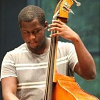
data-original-title=”” title=””>Mike Bond, bassist
”
data-original-title=”” title=””>Jason Clotter, and drummer

”
data-original-title=”” title=””>Carmen Intorre show that they are a unit that values momentum, balance, and unshakeable time.

Gigi Gryce
saxophone
1927 – 1983
”
data-original-title=”” title=””>Gigi Gryce‘s bop anthem “Minority.” After Clotter’s bass ostinato intro, the front line erupts into the familiar theme, on which Demetrius delivers an assertive and well-structured solo. Weldon then follows with his confident tenor sound. The solos develop patiently without losing clarity before Bond introduces a crisp harmonic logic to the performance. The front line vamps the closeout, which follows an exuberant drum break from Itorre. Weldon’s original piece, “Sunny V,” is an upbeat bossa nova that never feels ornamental. The groove is lively, with Itorre keeping the pulse tight. Weldon rides the rhythm with melodic ease, demonstrating how deeply this style has become part of his vocabulary. Bond delivers a lengthy solo that is dramatic and juicy, filled with lush keyboard riffs.

Lee Morgan
trumpet
1938 – 1972
”
data-original-title=”” title=””>Lee Morgan‘s “Calling Miss Khadija” unfolds less as a lively jazz waltz and more as a probing, open-ended exploration. The tempo allows the tune’s melodic lines to expand and relax. Bond takes extended space in a solo that delves beneath the surface of Morgan’s theme. Demetrius and Lin each deliver blistering solos before Weldon enters with a substantial statement, developing ideas over long phrases, often in the upper register. The performance emphasizes depth and narrative flow over surface buoyancy.

Wayne Shorter
saxophone
1933 – 2023
”
data-original-title=”” title=””>Wayne Shorter‘s “The Summit” is the album’s extended title track and the concert’s dramatic highlight. In an arrangement by Demetrius, the piece is performed at a brisk, no-nonsense tempo, led by Demetrius, whose bright, forward tone cuts sharply through Shorter’s intricate harmonic landscape. His solo balances intensity with logic, unfolding in long arcs rather than quick flashes. Weldon then enters with a tenor statement full of hard bop authority, followed by Lin leaning into the tune’s angular contours while keeping the swing front and centre. Behind them, Intorre drives hard with well-placed accents as Clotter lays down a solid walking bass line. Bond, meanwhile, is comping with sharp rhythmic jabs when not soloing with ardent, propulsive swing. The result is a performance that honours Shorter’s compositional daring.
The closer “On The Sunny Side Of The Street” lives up to its title, swinging strongly with powerful solos from both the front line and the rhythm section, as each musician raises the energy while maintaining the groove. Weldon then wraps up the evening with a bodacious vocal as a knowing nod to the jazz entertainer tradition, leaving the audience smiling and fully satisfied.
“>
Track Listing
Minority; Sunny V; Calling Miss Khadija; Good Morning Heartache; Damon’s Day; The
Summit;
You Go to My Head; On the Sunny Side of the Street.
Personnel
Album information
Title: The Summit
| Year Released: 2025
| Record Label: Cellar Music Group
Tags
PREVIOUS / NEXT
Support All About Jazz

All About Jazz has been a pillar of jazz since 1995, championing it as an art form and, more importantly, supporting the musicians who make it. Our enduring commitment has made “AAJ” one of the most culturally important websites of its kind, read by hundreds of thousands of fans, musicians and industry figures every month.
Go Ad Free!
To maintain our platform while developing new means to foster jazz discovery and connectivity, we need your help. You can become a sustaining member for as little as $20 and in return, we’ll immediately hide those pesky ads plus provide access to future articles for a full year. This winning combination vastly improves your AAJ experience and allow us to vigorously build on the pioneering work we first started in 1995. So enjoy an ad-free AAJ experience and help us remain a positive beacon for jazz by making a donation today.